Source Semi-Automatic Vintage Pizza Maker for Restaurants
Compare 30 Semi-Automatic Vintage Pizza Maker options from China. Evaluate electric and gas models with stainless steel construction, varying dimensions, and warranty support for commercial food service applications; compare the available evidence and request quotations based on your requirements.
Key considerations
Products List
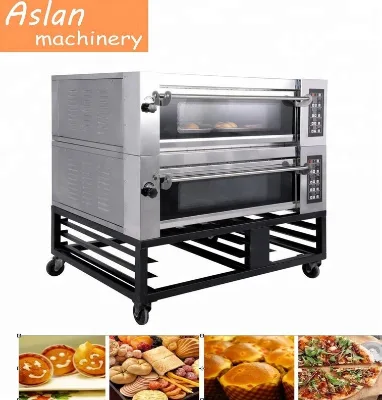


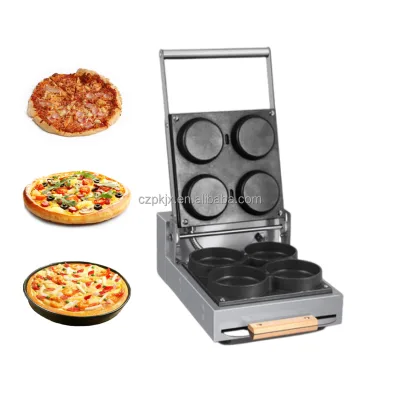

High-Speed Pizza Production Line Automatic Commercial Pizza Maker China
$130000.00 - $300000.00
MOQ: 1 Sets


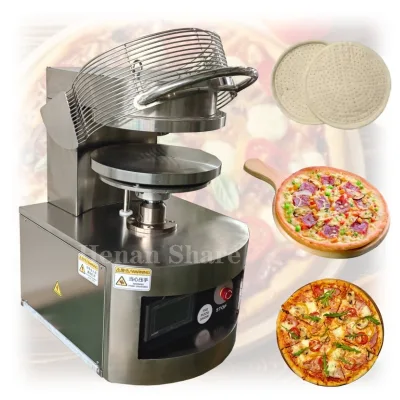


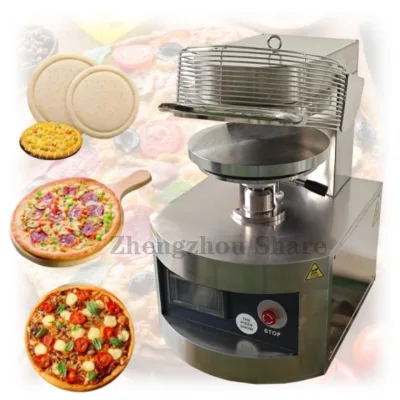
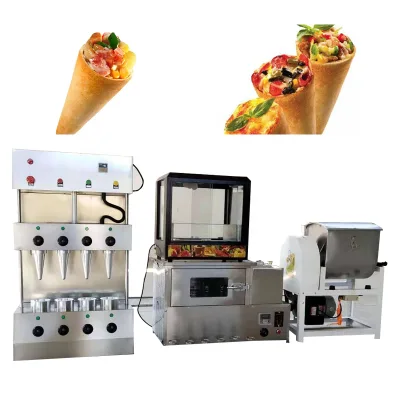
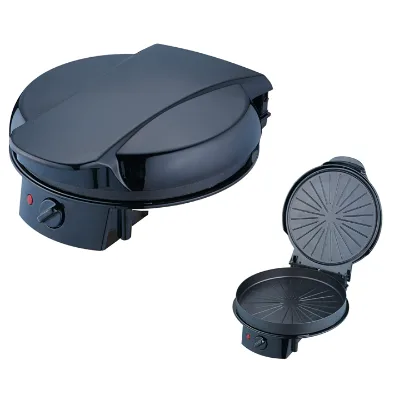

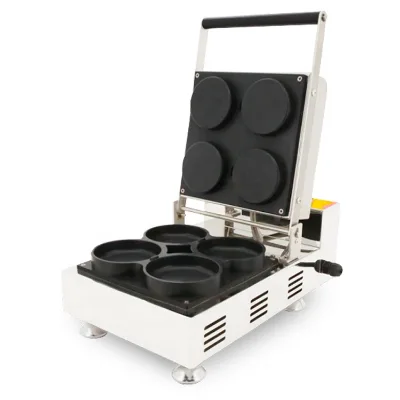


Customizable Size Pizza Cone Machine Pizza Cone Oven Pizza Cone Maker Machine
$750.00 - $2000.00
MOQ: 1 Sets

High Quality Automatic Pizza Cone Machine Pizza Cone Maker Machine for Sale
$750.00 - $2000.00
MOQ: 1 Sets

High Quality Cone Pizza Equipment Cone Pizza Oven Pizza Cone Maker Machine
$750.00 - $2000.00
MOQ: 1 Sets

Comprehensive Sourcing Guide
Semi-Automatic Vintage Pizza Maker Sourcing Guide
Procuring a semi-automatic vintage-style pizza maker requires balancing nostalgic aesthetics with modern industrial reliability. Buyers must distinguish between units marketed for home bakeries and those designed for high-volume food factories, as the operational demands differ significantly. The observed market includes electric models with 13,200-watt power ratings alongside gas-powered variants, necessitating a clear assessment of facility infrastructure before selection.
Sourcing decisions should prioritize the specific application environment, whether for a restaurant, food shop, or home use. The available inventory features stainless steel construction and customizable dimensions, allowing for integration into existing kitchen workflows. However, the "vintage" designation often implies specific design cues rather than a standardized manufacturing process, so verifying the actual production condition and material integrity is essential for long-term durability.
Product Scope and Observed Listing Signals
The current market listings reveal a wide price spectrum ranging from $14.90 to $500,000, reflecting the diversity from compact countertop units to large industrial ovens. Buyers should note that minimum order quantities vary drastically, from single items to bulk orders of 2,480 units, which directly impacts procurement strategy for small businesses versus large distributors. This variance suggests that the "vintage" label applies to various product tiers, requiring careful filtering to find equipment that matches specific budget and volume constraints.
Listing signals indicate that many units are marketed with specific usage capabilities, such as baking bread, cakes, and pizzas, often featuring timing devices for consistent results. Some models are described as portable with easy assembly, while others are heavy-duty industrial units weighing up to 155kg. The presence of accessories like 12-inch or 14-inch pizza stones further differentiates the product scope, meaning buyers must verify if the included accessories align with their specific menu requirements and stone size preferences.
Technical Specifications to Verify
Technical verification must begin with power source compatibility, as the market offers both electric units operating at 220V or 380V and gas-powered ovens. A 13,200-watt electric model presents distinct electrical load requirements compared to gas alternatives, and mismatching these specifications can lead to installation failures or safety hazards. Buyers should confirm the voltage and power rating against their facility's utility capacity before finalizing any purchase agreement.
Dimensional and material specifications are equally critical, with observed units ranging from 1240x850x1210mm to smaller portable configurations. The material is consistently noted as stainless steel, which is vital for hygiene and longevity in food processing environments. Additionally, the presence or absence of timing devices and specific oven types, such as gas pizza ovens versus standard electric ovens, must be confirmed to ensure the equipment meets the desired cooking speed and operational efficiency targets.
Compliance and Safety Documentation
While ISO certification is a high-confidence fact observed in the product data, buyers must explicitly request proof of specific safety standards relevant to their local jurisdiction. The presence of CE certification is mentioned in background data but should not be assumed without verification, as compliance requirements vary significantly between regions. Procurement teams should demand current test reports and safety certificates to ensure the equipment meets local electrical and mechanical safety regulations.
Documentation regarding the supply chain origin is also necessary, with many units originating from Henan, China. Buyers should verify that the supplier provides clear documentation on the manufacturing process and material sourcing to ensure compliance with international food safety standards. The warranty period of one year is a standard offering, but the scope of coverage for electrical components versus mechanical parts should be clearly defined in the contract to protect against premature failure.
Cost Drivers and Commercial Terms
Cost drivers in this category are heavily influenced by the power source, material quality, and customization options available. Electric models with high wattage and stainless steel construction typically command higher prices than basic gas units, while custom dimensions or specialized finishes can further increase the unit cost. Buyers should analyze the total cost of ownership, including energy consumption and maintenance requirements, rather than focusing solely on the initial purchase price.
Commercial terms such as the supply ability of 300 sets per month and packaging details in wooden boxes or cases are key factors in logistics planning. The port of dispatch, often Qingdao, and the lead times associated with these shipments must be factored into the overall procurement timeline. Additionally, the availability of free spare parts as an after-sales service is a significant value driver that can reduce long-term operational costs and downtime.
Supplier Qualification and Quality Control
Supplier qualification should focus on their ability to provide consistent quality control for semi-automatic machinery, particularly given the variation in observed product conditions. Buyers must verify that the supplier has a robust process for inspecting units before dispatch, ensuring that the "New" condition claim is accurate and that no defects exist upon arrival. The brand name "Aslan Jixie" appears in the data, but buyers should assess the broader reputation and track record of the specific manufacturer or trading entity.
Quality control checks should include a detailed inspection of the packaging, which is often described as wooden boxes or cases, to prevent transit damage. Since the equipment is heavy and complex, verifying the structural integrity of the packaging is essential for safe delivery. Furthermore, buyers should confirm the supplier's capacity to handle customization requests, as the availability of custom options can significantly impact the final product's fit and functionality within the intended kitchen environment.
Long-Term Procurement Checks
Long-term procurement success depends on establishing a reliable after-sales support framework, particularly for equipment with complex mechanical and electrical systems. The provision of free spare parts is a positive indicator, but buyers must clarify the lead time for these parts and the availability of technical support for troubleshooting. A clear service agreement should be in place to ensure that any operational issues can be resolved quickly to minimize production downtime.
Finally, buyers should monitor the supplier's ability to maintain consistent supply over time, given the observed monthly supply capacity of 300 sets. Regular performance reviews and feedback loops are necessary to ensure that the equipment continues to meet the evolving needs of the food and beverage industry. Establishing a long-term partnership with a qualified supplier will provide stability and ensure access to updated models or improvements in the semi-automatic vintage pizza maker category.
FAQs
What power sources are available for this pizza maker?
This pizza maker is available with both electric and gas power sources to suit different facility needs. The electric model operates at 380 volts with 13200 watts, while the gas version features high-temperature capabilities for fast cooking. Both options support professional baking applications in food factories or restaurants.
Which dimensions and materials define the oven construction?
The oven measures 1240 by 850 by 1210 millimeters and is constructed from durable stainless steel for hygiene. It includes a timing device on some models and comes with a 12 or 14 inch pizza stone as an accessory. The sturdy build ensures longevity in commercial food shop environments.
Can I customize the pizza maker for specific needs?
Yes, customization is available for this pizza maker to meet specific operational requirements. Buyers can request tailored specifications while maintaining the core functionality for making pizza, bread, or cake. The product is supplied as new with a one-year warranty and free spare parts support.
What is the supply capacity and lead time for orders?
The supplier provides a monthly supply capacity of 300 sets for this pizza maker. Orders are dispatched from Qingdao port in Henan, China, with packaging details specified as wooden boxes or cases. This ensures safe transport for single item or bulk orders to international destinations.
How does the oven handle different food types like bread or cake?
The oven is versatile and designed for usage including pizza, bread, and cake production. It features high-temperature performance and easy cleaning mechanisms to handle various baking tasks efficiently. The portable style and fast cooking capabilities make it suitable for home use or small food shops.
What certifications and standards apply to this equipment?
The product holds ISO certification and adheres to specific production standards like 920 or 980 millimeters for certain models. While CE and ISO 14001 are noted in background data, the confirmed high-confidence fact is the ISO certification. This ensures compliance with general international quality expectations for industrial baking equipment.